

The Game Tester
Video: A demo of an interactive model created in Stingray.
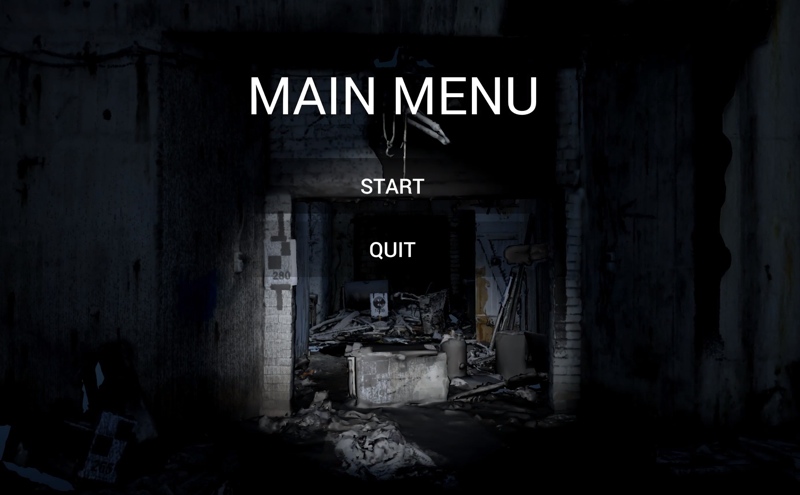
For a few years we have been experimenting with Unity, which is a game engine that allows a multitude of content formats and various coding languages to be merged together in the construction of a game and exported to almost every platform you can think of, including all major mobile platforms and web browsers. While we are not fluent in any coding language, we have managed to cobble together a few demo environments by borrowing bits and pieces from the Unity Store and stock Unity content.
What we are trying to achieve is a simple solution for our clients to explore our scans and models in a more intuitive way. While some of our clients are fluent with CAD software, it is a turn off for others, and they refuse to even try. After a few attempts to import 3D models created from scan data in Revit or AECOsim we succeeded in creating game environments that were more navigable than scan data, but lacked the lush detail inherit to the scans. “It looks like Minecraft” is a phrase we have heard frequently due to the graphical simplicity. Using Stingray brings about better compatibility with Revit and other Autodesk software, but in the end the textures and geometry are often too basic to be noteworthy. We always knew that our final product was never going to be as impressive as a professionally made video game. Have you ever seen how many people are involved in the production of a top-end game? By numbers alone we never stood a chance, but I think that is about to change…